
The Light Many Drivers Fear: The Check Engine Light Explained

October 22, 2025

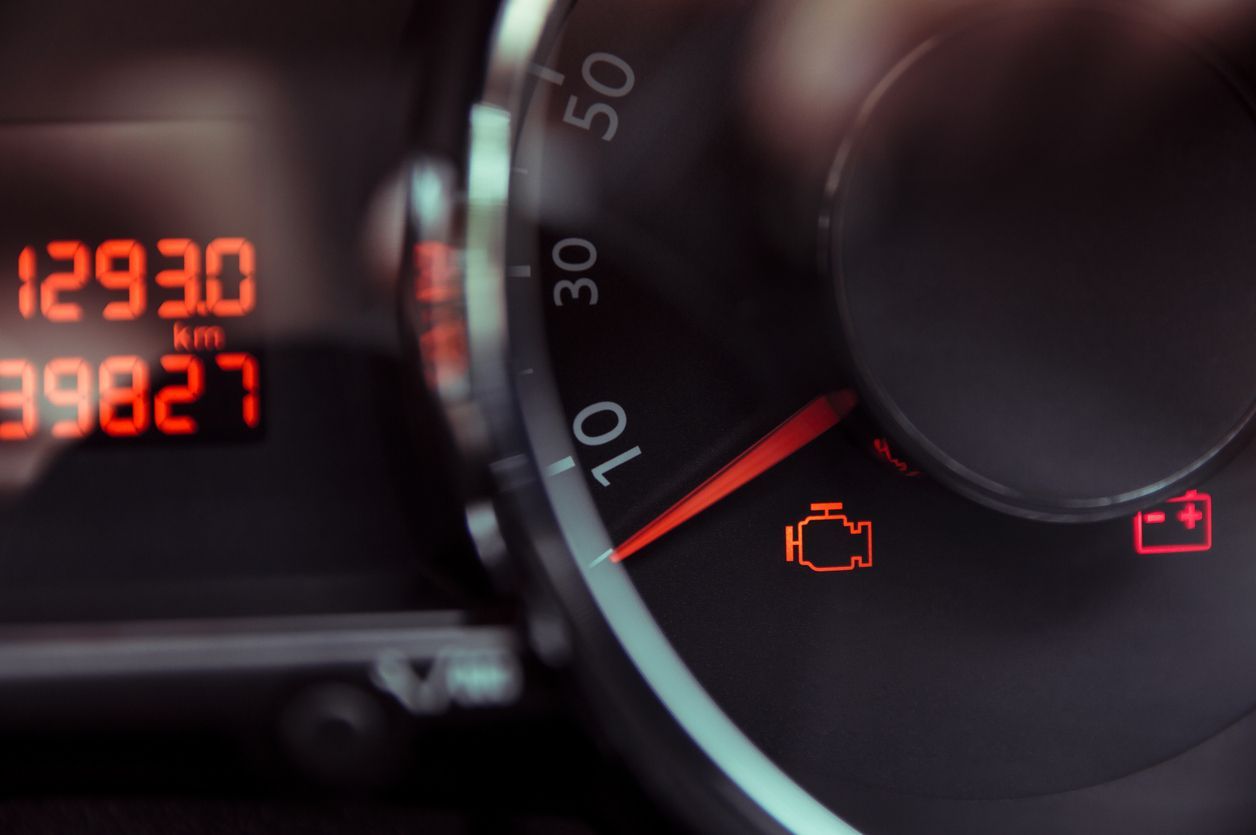
Ask just about any driver in Linn, MO, what dashboard warning makes their heart sink, and chances are they’ll say it’s the Check Engine light. That small, glowing symbol shaped like an engine — sometimes accompanied by the words “Check Engine” or “Service Engine Soon” — can trigger instant anxiety.


But before panic sets in, it’s worth understanding what that light really means and what you should do next.


Why the Check Engine Light Comes On

Your vehicle’s onboard diagnostic system (OBD-II) constantly monitors how the engine, transmission, and emissions systems are performing. If one of the many built-in sensors detects something out of the ordinary, it sends a signal to your vehicle’s computer — and the Check Engine light comes on.


This doesn’t always mean something major has gone wrong. In fact, sometimes it’s as simple as a loose gas cap. But it can also point to problems that require prompt attention to avoid costly repairs.

What the Color or Behavior of the Light Tells You

Not all Check Engine warnings are created equal:


  • Solid Yellow or Amber Light:
    Indicates a problem that isn’t urgent but should be checked soon. Schedule a diagnostic inspection at a trusted auto repair shop in Linn, MO to identify the cause before it worsens.


  • Flashing or Red Light:
    Signals a more serious issue — possibly an active engine misfire or system failure. Continuing to drive could damage your engine or catalytic converter. Pull over safely and have your vehicle inspected immediately.

Common Reasons Your Check Engine Light Might Be On

Here are some of the most frequent culprits behind a glowing Check Engine light:


  • Emissions System Malfunction

Components like the catalytic converter or exhaust gas recirculation (EGR) system may not be operating correctly. Since these parts can be expensive, early diagnosis is key.


  • Ignition System Issues

Faulty spark plugs, ignition coils, or wires can cause misfires that trigger the light. These problems often lead to reduced fuel efficiency or rough idling.


  • Transmission Problems

Because your vehicle’s engine and transmission systems work together, a transmission fault can also cause the Check Engine light to appear.

How Diagnostics Work

When you bring your vehicle to DJ’s Repair Service in Linn, MO, we connect a professional scan tool to your vehicle’s onboard computer. This device reads stored diagnostic trouble codes (DTCs) that help pinpoint the issue.


These codes give our technicians insight into whether the problem involves emissions, ignition, transmission, or other components — saving time and ensuring the right fix the first time.

Don’t Ignore That Light — Schedule a Check Today

Ignoring your Check Engine light might seem harmless at first, but it could lead to bigger, more expensive repairs down the road. Whether it’s a loose gas cap or a serious engine concern, it’s always best to have it checked promptly by a qualified professional.


For trusted, local service, visit:


DJ’S Repair Service

927 E Main Street

Linn, MO 65051

📞 573-763-5029

Share this article

Recent Posts

December 12, 2025
Why Power Steering Fluid Matters
December 10, 2025
Your Fuel Pump’s Job—and Why Failure Happens
December 3, 2025
The Hidden Fuel Cost of Low Tire Pressure
November 14, 2025
What Happens Inside a High Mileage Vehicle

November 12, 2025
Headlamp Safety Tips for CHAMOIS Drivers: See and Be Seen at Night
November 7, 2025
Question I’m Collins. I had my engine go out and had to have it completely re-done. What could I have done to prevent this? Answer You’ve got to feel for Collins — an engine rebuild is one of the most expensive and frustrating repairs a driver can face. The good news is, most engine failures aren’t random; they’re preventable. Manufacturers design specific maintenance schedules to help you avoid these kinds of disasters, but when those intervals are skipped, small issues can snowball into catastrophic ones. For example, if you delay replacing your timing belt and it breaks, you can end up with bent valves or a damaged cylinder head — repairs that often cost thousands. Ignoring coolant service can lead to overheating, which warps metal components and seizes moving parts. Even something as simple as stretching out oil changes can cause sludge to build up, blocking vital oil passages and starving expensive parts of lubrication. The best prevention is consistency. Check your oil level every month, and follow your manufacturer’s recommended service schedule for oil, coolant, belts, and filters. If you’re behind on any maintenance, don’t wait — talk to your Service Advisor about creating a plan to get caught up. A few small, timely services can make the difference between smooth driving and a blown engine. Give us a call — we’ll help you get your maintenance back on track and keep your engine running strong.
October 17, 2025
What Does a Cabin Air Filter Do?
October 17, 2025
Understanding How Your Battery Works
October 17, 2025
Why A/C Maintenance Matters