
High Mileage Vehicle Maintenance: How DJ'S Repair Service Helps Your Car Go the Distance

November 14, 2025

The typical vehicle on the road today is older and more seasoned than ever. Reports show the median age of cars is now over nine years, and roughly two-thirds have passed 75,000 miles. Drivers are keeping their vehicles longer for financial reasons, but also because modern engines, transmissions, and electronics are built with far better durability than they once were.


Still, once a vehicle crosses into high mileage territory, it develops specific needs that deserve attention. At DJ'S Repair Service, we help owners understand what changes as a vehicle ages, why maintenance becomes even more important, and how to keep a high mileage car running confidently for years.


What Happens Inside a High Mileage Vehicle

Time and mileage create natural wear that affects every major system. Even well-maintained vehicles develop:


  • More sludge inside the engine and transmission
  • Gum and varnish buildup in steering, fuel, and brake systems
  • Added contaminants inside the fuel tank
  • Corrosion and deposits in the cooling system
  • Drying seals and gaskets
  • Slightly reduced engine power, which forces the engine to work harder


None of this means the car is failing. It simply means the vehicle needs more thoughtful care to keep everything performing reliably.


Should Service Intervals Change?

Many drivers assume that an aging vehicle needs more frequent service. In most cases, that is not true. If the vehicle required a major service every 15,000 miles when new, you should still follow that 15,000 mile interval today.


The difference is that skipping or delaying maintenance has a much bigger impact once a car has higher mileage. A missed oil change or overdue fluid service can create problems faster because the components are already working harder than they did in the first 30,000 miles.


The smartest next step is to talk with your service advisor. A technician who sees your engine condition firsthand can tell you whether shorter oil change intervals or earlier fluid replacements could benefit your specific vehicle.


Services Often Overlooked on High Mileage Cars

If certain maintenance items have never been performed, this is the time to catch up. High mileage vehicles often need:


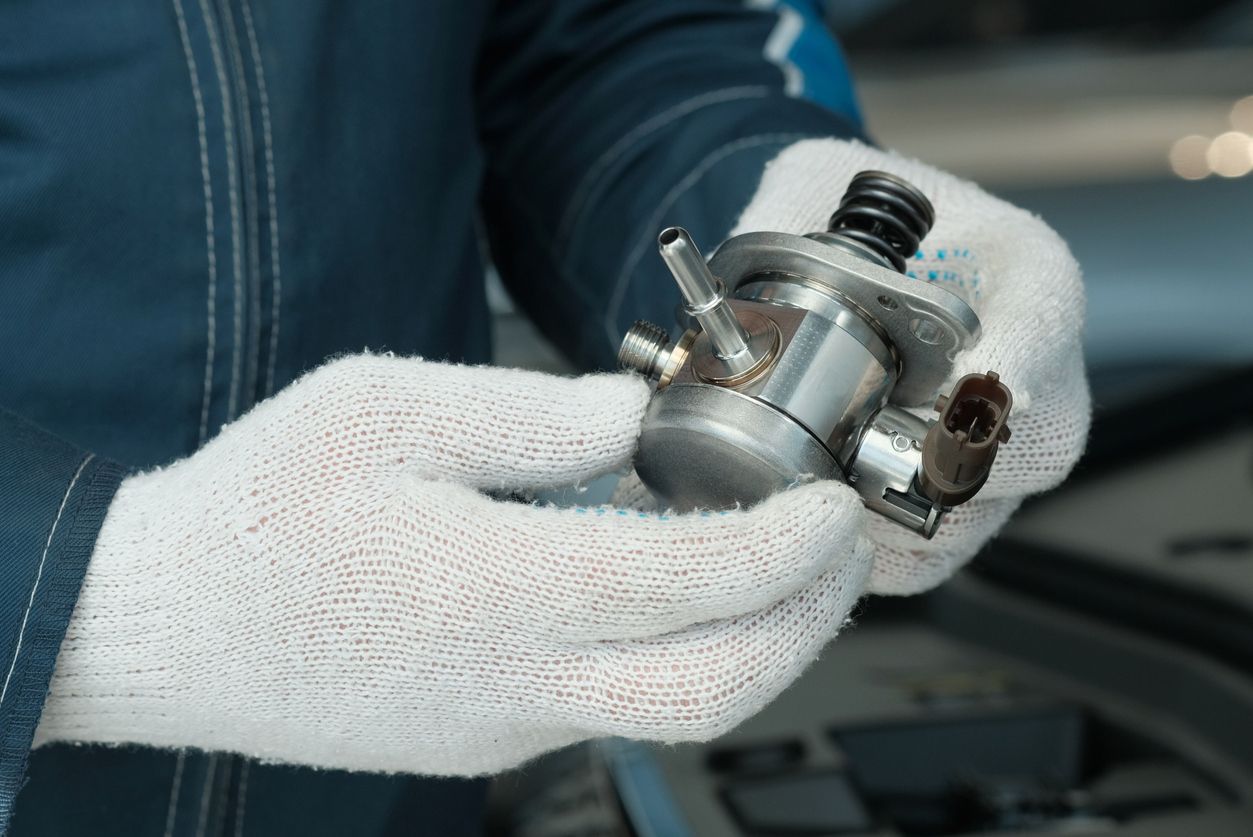
  • Fuel system cleaning
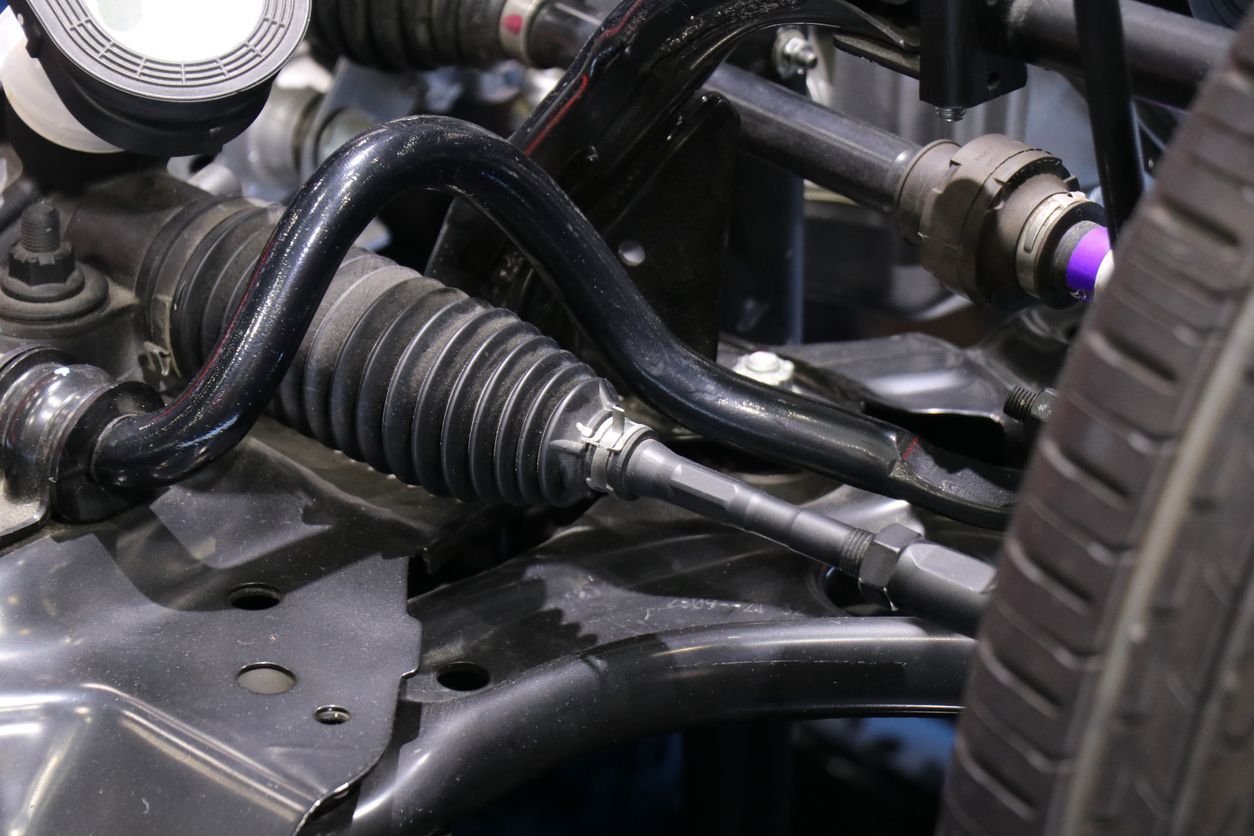
  • Power steering fluid replacement
  • Brake fluid replacement
  • Differential service
  • Transmission service


Bringing these items up to date helps restore efficiency, reduces strain on worn components, and protects the vehicle you rely on daily.


The Bottom Line

Caring for a high mileage vehicle is not about over-maintaining. It is about following the recommended schedule and choosing products that support an aging engine and drivetrain. With the right approach, your vehicle can remain dependable far beyond the 100,000 mile mark.


If you want a personalized assessment of your car or truck, we are here to help.


Give us a call.


DJ'S Repair Service

927 E Main Street

Chamois, MO 65024

573.763.5029

Share this article

Recent Posts

December 12, 2025
Why Power Steering Fluid Matters
December 10, 2025
Your Fuel Pump’s Job—and Why Failure Happens
December 3, 2025
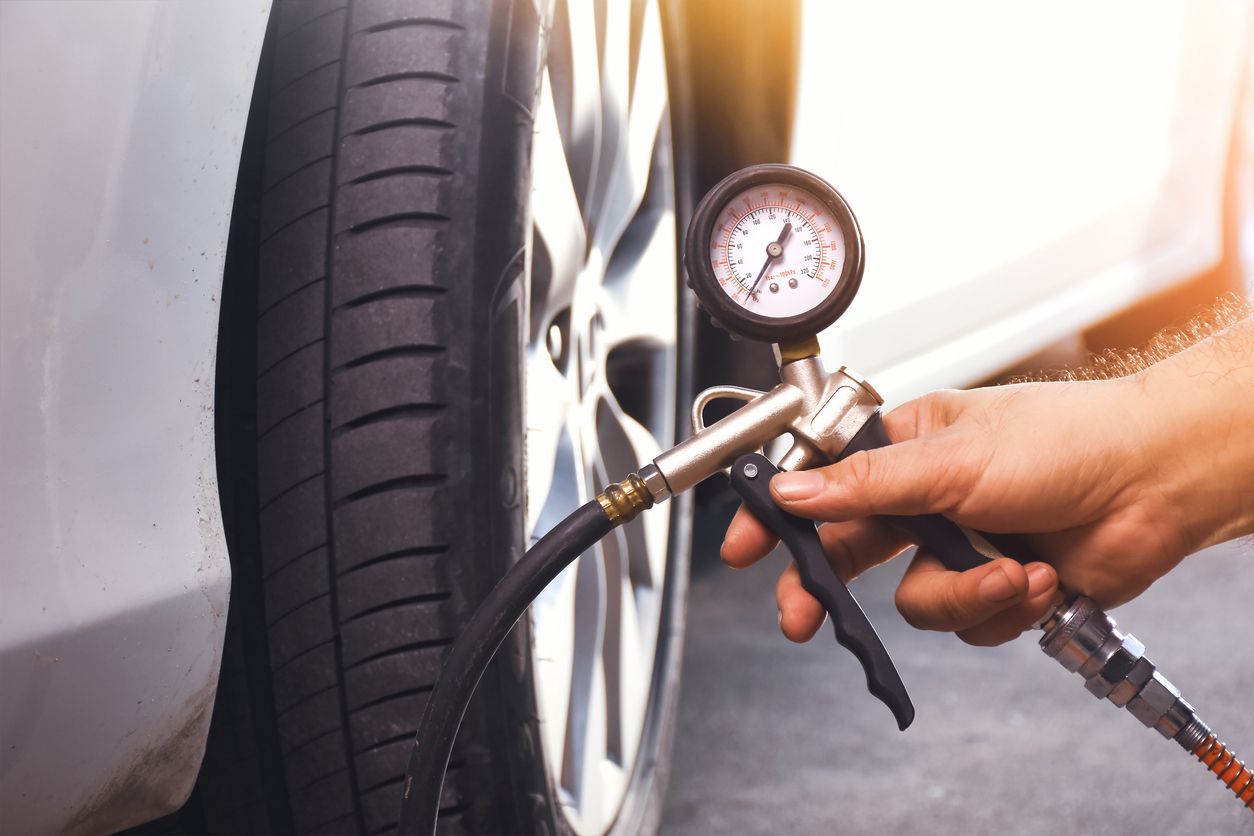
The Hidden Fuel Cost of Low Tire Pressure

November 12, 2025
Headlamp Safety Tips for CHAMOIS Drivers: See and Be Seen at Night
November 7, 2025
Question I’m Collins. I had my engine go out and had to have it completely re-done. What could I have done to prevent this? Answer You’ve got to feel for Collins — an engine rebuild is one of the most expensive and frustrating repairs a driver can face. The good news is, most engine failures aren’t random; they’re preventable. Manufacturers design specific maintenance schedules to help you avoid these kinds of disasters, but when those intervals are skipped, small issues can snowball into catastrophic ones. For example, if you delay replacing your timing belt and it breaks, you can end up with bent valves or a damaged cylinder head — repairs that often cost thousands. Ignoring coolant service can lead to overheating, which warps metal components and seizes moving parts. Even something as simple as stretching out oil changes can cause sludge to build up, blocking vital oil passages and starving expensive parts of lubrication. The best prevention is consistency. Check your oil level every month, and follow your manufacturer’s recommended service schedule for oil, coolant, belts, and filters. If you’re behind on any maintenance, don’t wait — talk to your Service Advisor about creating a plan to get caught up. A few small, timely services can make the difference between smooth driving and a blown engine. Give us a call — we’ll help you get your maintenance back on track and keep your engine running strong.
October 22, 2025
Why the Check Engine Light Comes On
October 17, 2025
What Does a Cabin Air Filter Do?
October 17, 2025
Understanding How Your Battery Works
October 17, 2025
Why A/C Maintenance Matters