
Airbags in Linn: Why They Don’t Always Deploy — and What That Means After a Crash
After an accident, many drivers in Linn, Missouri are surprised to find that their airbags didn’t deploy. Movies and television make it seem like airbags inflate during even minor collisions, but real-world vehicle safety systems are far more precise. In many cases, airbags are designed not to deploy—and that decision is made to protect you.
Understanding how airbags work, when they deploy, and what repairs are required afterward can help you make informed decisions after a collision.
Why Airbags Don’t Deploy in Every Accident
Airbags deploy with extreme speed and force—fast enough to cause injury if they inflate unnecessarily. While being struck by an airbag is far safer than hitting a windshield, airbags are only meant to deploy when a crash is severe enough that they significantly reduce the risk of serious injury or death.
If an impact is relatively minor and seat belts provide sufficient protection, deploying an airbag could actually increase the risk of injury. That’s why non-deployment does not automatically mean a system failure.
How Your Vehicle Decides When to Deploy Airbags
Your vehicle uses a Supplemental Restraint System (SRS) to determine whether airbags should deploy. This system relies on multiple sensors and a vehicle-specific computer program, including:
Impact Sensors
Located in the front, sides, and rear of the vehicle, these sensors measure:
- Direction of impact
- Severity and force
- Rate of deceleration
Seat Occupancy & Weight Sensors
- These sensors determine:
- Whether a seat is occupied
- Approximate occupant weight
This prevents airbags from deploying in empty seats and allows reduced-force deployment for smaller occupants.
Vehicle Speed, Rollover & Crumple Zones
The SRS computer also considers:
- Vehicle speed at the time of impact
- Whether a rollover is occurring
- Manufacturer-designed crumple zones
All of this information is processed in milliseconds to determine which airbags—if any—should deploy.
What Repairs Are Required After an Airbag Deploys
If your airbag does deploy, the SRS system must be properly restored before the vehicle is considered safe to drive.
Certified Airbag Replacement
Deployed airbags must be replaced with factory-certified components. Salvaged or uncertified airbags are sometimes sold due to cost, but their reliability cannot be verified and they may fail in a future accident.
Steering Wheel Clock Spring
When a driver-side airbag deploys, the clock spring inside the steering wheel is often damaged. This component is critical for airbag deployment and steering wheel electronics and typically requires replacement.
Sensor Replacement After Deployment
An airbag deployment places the SRS system into a pre-triggered state. In this condition, even a small jolt—such as hitting a pothole—could cause unintended airbag deployment. For this reason, SRS sensors throughout the vehicle should be replaced after an airbag event.
What the SRS Warning Light Means
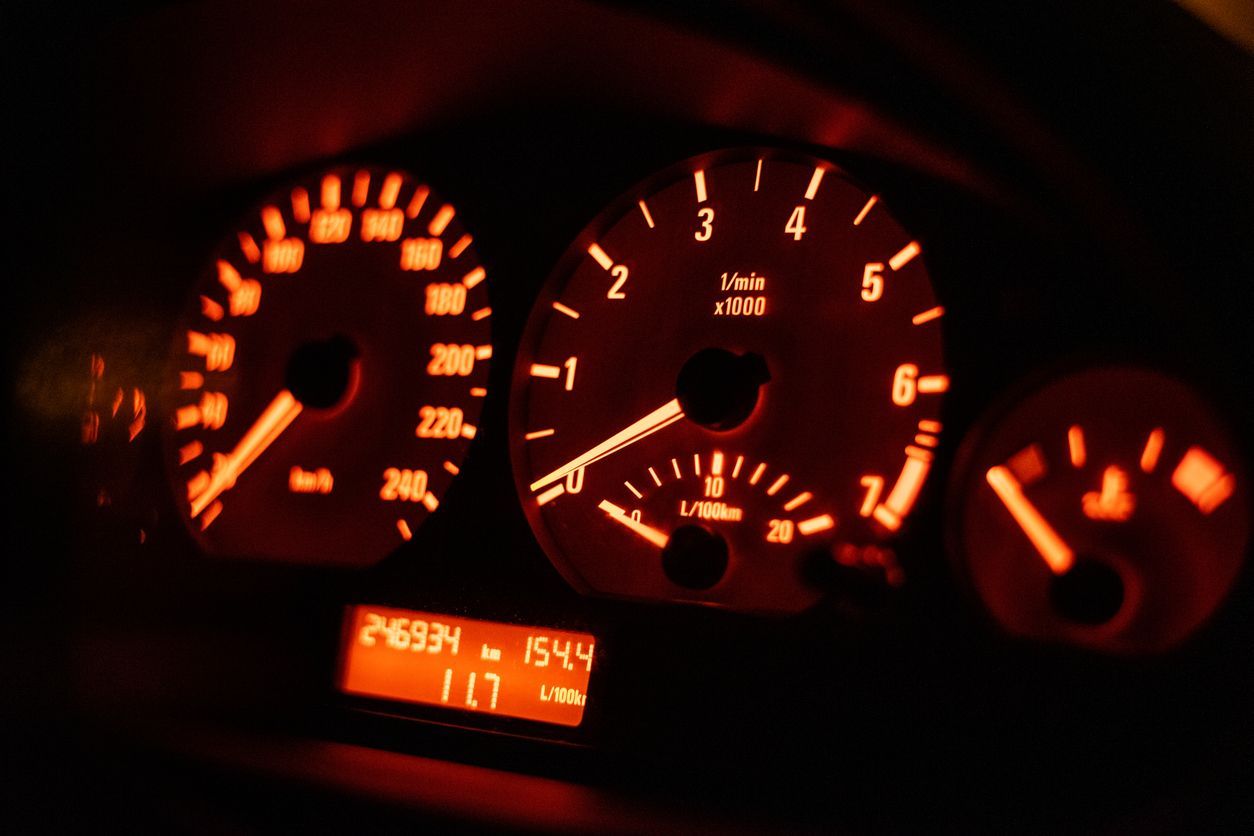
Each time you start your vehicle, the SRS or airbag warning light briefly turns on as part of a self-test. This is normal.
If the light:
- Stays on
- Flashes
- Comes on while driving
…the system has detected a fault that could prevent airbags from deploying properly. If this happens, have the issue diagnosed by a service facility in Linn, MO as soon as possible.
Airbags, Safety, and Peace of Mind
Airbags are part of a carefully engineered safety system designed to deploy only when they provide clear benefit. If they don’t deploy in a crash, it often means the system functioned exactly as intended.
After any collision involving airbag deployment—or an illuminated SRS warning light—professional inspection and repair are essential to restoring your vehicle’s safety.
📞 If you have questions about airbags, SRS diagnostics, or post-accident repairs in Linn, Missouri, give us a call. We’re here to help.
Recent Posts