
Fuel-Saving Tip From DJ’s Repair Service: Why Tire Pressure Matters More Than You Think

December 3, 2025

The Hidden Fuel Cost of Low Tire Pressure

Under-inflated tires don’t just sag—they steal fuel efficiency. Think of it like walking through sand: every step takes extra effort because of increased resistance. Your vehicle behaves the same way. When tire pressure drops, rolling resistance rises, and your engine must burn more fuel to maintain speed.


Even slightly low tire pressure can reduce gas mileage, accelerate tire wear, and affect vehicle handling. It’s a small maintenance task with a big payoff.

Make Tire Pressure Checks Part of Every Fill-Up

A simple routine check at the pump can help you maintain optimal fuel economy. If your tires are even a little low, take a moment to bring them back to the manufacturer’s recommended PSI. You’ll find this information on a sticker inside the driver’s door.


This is one of the quickest, lowest-cost ways to improve fuel efficiency—and it protects your tires from premature wear.

Don’t Rely Only on the TPMS Warning Light

Your Tire Pressure Monitoring System (TPMS) is a safety feature, but it’s not designed as a maintenance tool. TPMS alerts usually trigger when pressure drops 20% below the recommended level, which means your tires are already significantly under-inflated by the time the light comes on.


If you suspect a slow leak, don’t wait for the TPMS to confirm it—have it inspected right away. Small leaks often become larger (and more expensive) issues when ignored.

A Few Pounds of Air Can Save You Money

Keeping your tires properly inflated is one of the simplest ways to save fuel, extend tire life, and keep your vehicle performing its best. A quick air top-off now can mean fewer fill-ups later.


If you’re not sure what your pressure should be—or if something doesn’t seem right — we’re always here to help.


Give us a call and let DJ’s Repair Service keep you rolling efficiently.

Share this article

Recent Posts

December 12, 2025
Why Power Steering Fluid Matters
December 10, 2025
Your Fuel Pump’s Job—and Why Failure Happens
November 14, 2025
What Happens Inside a High Mileage Vehicle

November 12, 2025
Headlamp Safety Tips for CHAMOIS Drivers: See and Be Seen at Night
November 7, 2025
Question I’m Collins. I had my engine go out and had to have it completely re-done. What could I have done to prevent this? Answer You’ve got to feel for Collins — an engine rebuild is one of the most expensive and frustrating repairs a driver can face. The good news is, most engine failures aren’t random; they’re preventable. Manufacturers design specific maintenance schedules to help you avoid these kinds of disasters, but when those intervals are skipped, small issues can snowball into catastrophic ones. For example, if you delay replacing your timing belt and it breaks, you can end up with bent valves or a damaged cylinder head — repairs that often cost thousands. Ignoring coolant service can lead to overheating, which warps metal components and seizes moving parts. Even something as simple as stretching out oil changes can cause sludge to build up, blocking vital oil passages and starving expensive parts of lubrication. The best prevention is consistency. Check your oil level every month, and follow your manufacturer’s recommended service schedule for oil, coolant, belts, and filters. If you’re behind on any maintenance, don’t wait — talk to your Service Advisor about creating a plan to get caught up. A few small, timely services can make the difference between smooth driving and a blown engine. Give us a call — we’ll help you get your maintenance back on track and keep your engine running strong.
October 22, 2025
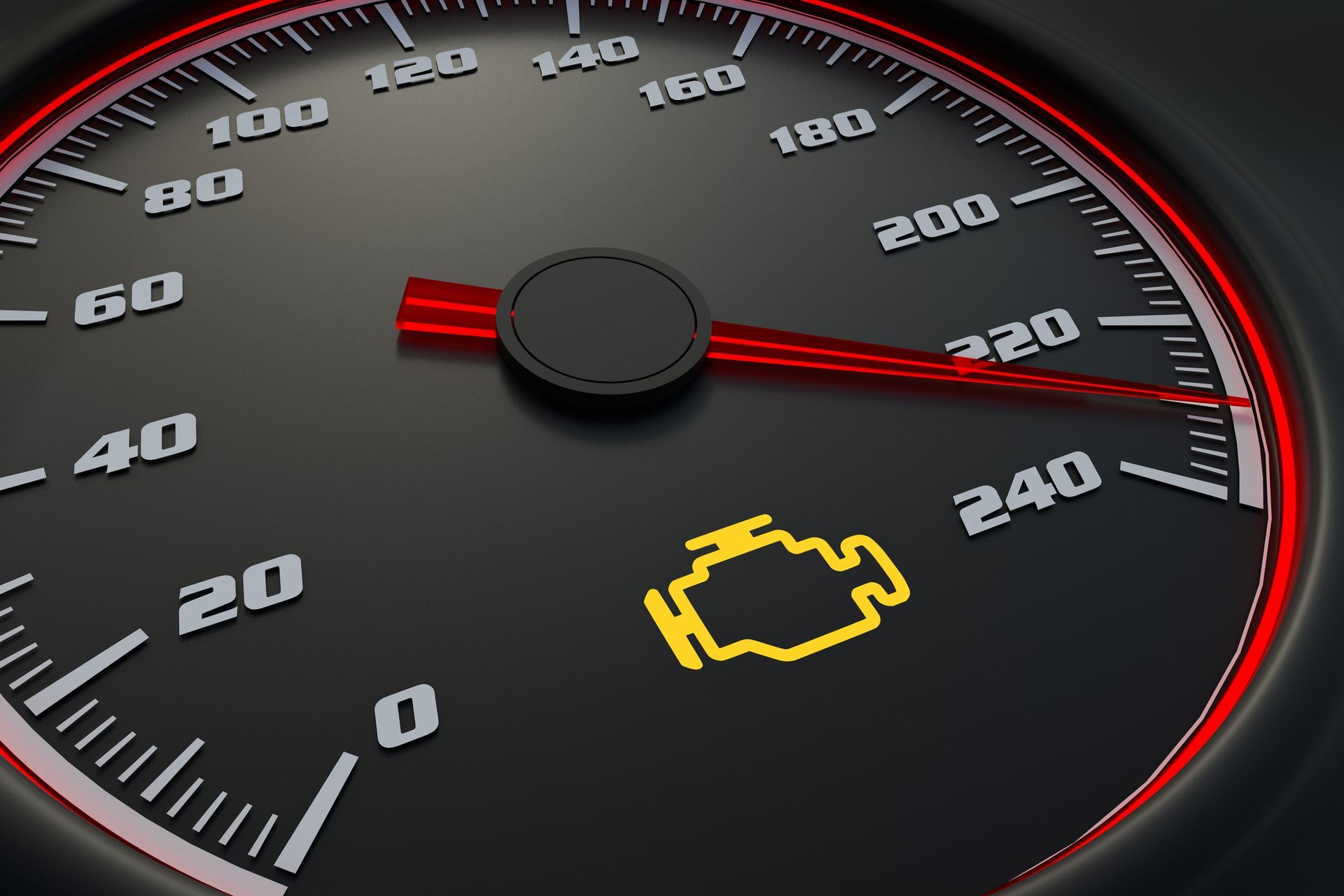
Why the Check Engine Light Comes On
October 17, 2025
What Does a Cabin Air Filter Do?
October 17, 2025
Understanding How Your Battery Works
October 17, 2025
Why A/C Maintenance Matters